Reminders That Actually Work: A Checklist for Busy UK Parents
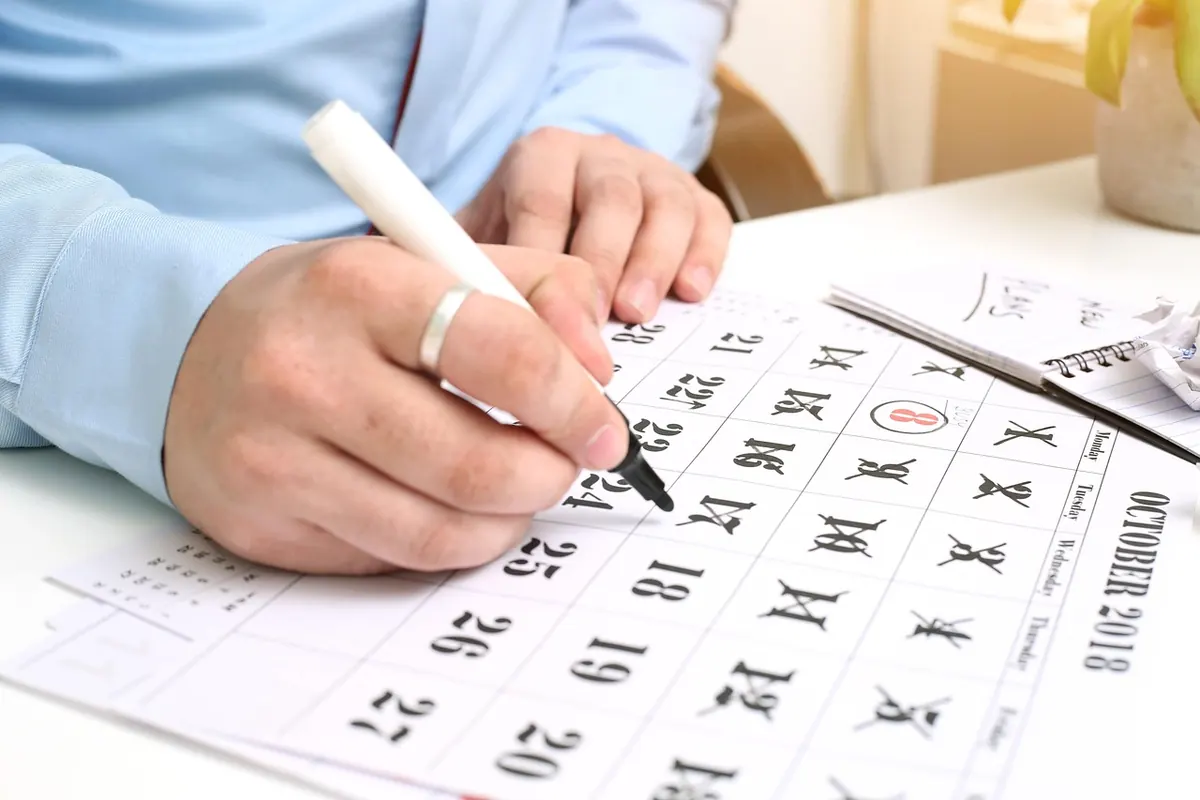
Somewhere between the second school run of the week and the form that must be back by Friday, most parents become an unofficial reminder system for the rest of the household. It usually works. Then it doesn't: a non-uniform day missed, a swimming kit left on the radiator, an appointment letter that surfaces three days after the appointment.
Forgetfulness is rarely the problem. The problem is how reminders get set up — in a rush, in five different places, with no room to act on them. A reminder earns its keep only if it arrives early enough to do something, in a place you actually look, and with enough detail to be useful. The checklist below is about building that.
Audit where your reminders live now
Before adding anything new, count the places you currently rely on. Most households have a phone calendar, a notes app, a paper diary, a kitchen whiteboard, a pile of school letters and at least two group chats. That is six systems competing for the same job.
List them honestly, then choose two: one place to capture anything that needs remembering, and one calendar for anything with a date and time. Everything else becomes a duplicate. If a reminder lives in three places, you stop trusting all three.
Keep a single capture point — and clear it daily
A running note works better than a dozen separate reminders, especially if you use date headings and tick boxes rather than one long list. Anything with a date goes straight into the calendar. Anything else stays in the note until it is done.
Then empty it. Ten minutes after the children are in bed, or with your first coffee of the morning. Each item either becomes a calendar entry, a task for today, or gets crossed out. An unread note is just a tidier version of the pile of letters.
Rule of thumb: if it takes less than two minutes and it is for today, do it now. If it is for any other day, write it down and let the note hold it.
Anchor reminders to routines you already keep
New reminders fail; existing routines survive. Attach the new job to something that already happens without fail.
- PE kit and reading record: checked while the kitchen is tidied after tea.
- Tomorrow's uniform, shoes and bag: laid out at bath time.
- The week ahead: reviewed at Sunday tea, with the calendar open.
- School emails and letters: read on the same two evenings each week, not every time your phone buzzes.
Two or three anchors are enough. The point is that you never have to remember to remember.
Build the week around fixed points
School runs, clubs and lessons do not move much, so they suit reminders that repeat. Set these once and check them at the start of each term.
- Evening before: kit bag, instrument, permission slip, lunch money, and any change to the usual pick-up.
- Morning of: one reminder, timed well before you need to leave, naming the single thing that would otherwise be forgotten. "Football boots in the car" beats "busy day".
- Weekly: a recurring note for regular clubs, with the kit listed in the reminder text rather than left to memory.
- Termly: when the newsletter arrives, add every date straight away — inset days, non-uniform days, parents' evenings, trips and deadlines.
Wording matters. A reminder that says "school stuff" gets swiped away. One that says "Swimming bag and £2 for tuck shop — leave by 3.20" gets acted on.
A reminder you ignore is usually a reminder that arrived at the wrong moment.
Work backwards from appointments and admin
Medical appointments, renewals and forms rarely fail because you forgot the date. They fail because the preparation had no reminder of its own.
Take the appointment date and set three: one a fortnight ahead to arrange childcare or cover, one two days ahead to check the address, parking and what to bring, and one on the morning to leave on time. For anything medical, follow the instructions on your appointment letter or from your GP, pharmacist or clinic rather than relying on a note you wrote weeks ago.
Household admin works the same way.
- Insurance, MOT and subscription renewals: a reminder four weeks before, while there is still time to compare options.
- Forms: one nudge on the day they arrive, another three days before the deadline.
- Passports and travel documents: check the current government guidance rather than last year's note.
- Bills and money decisions: where a choice involves borrowing, savings or long-term commitments, take regulated financial advice.
Share the load so it isn't all in one head
A reminder system that lives in one parent's memory is a single point of failure. It also creates a second job: chasing.
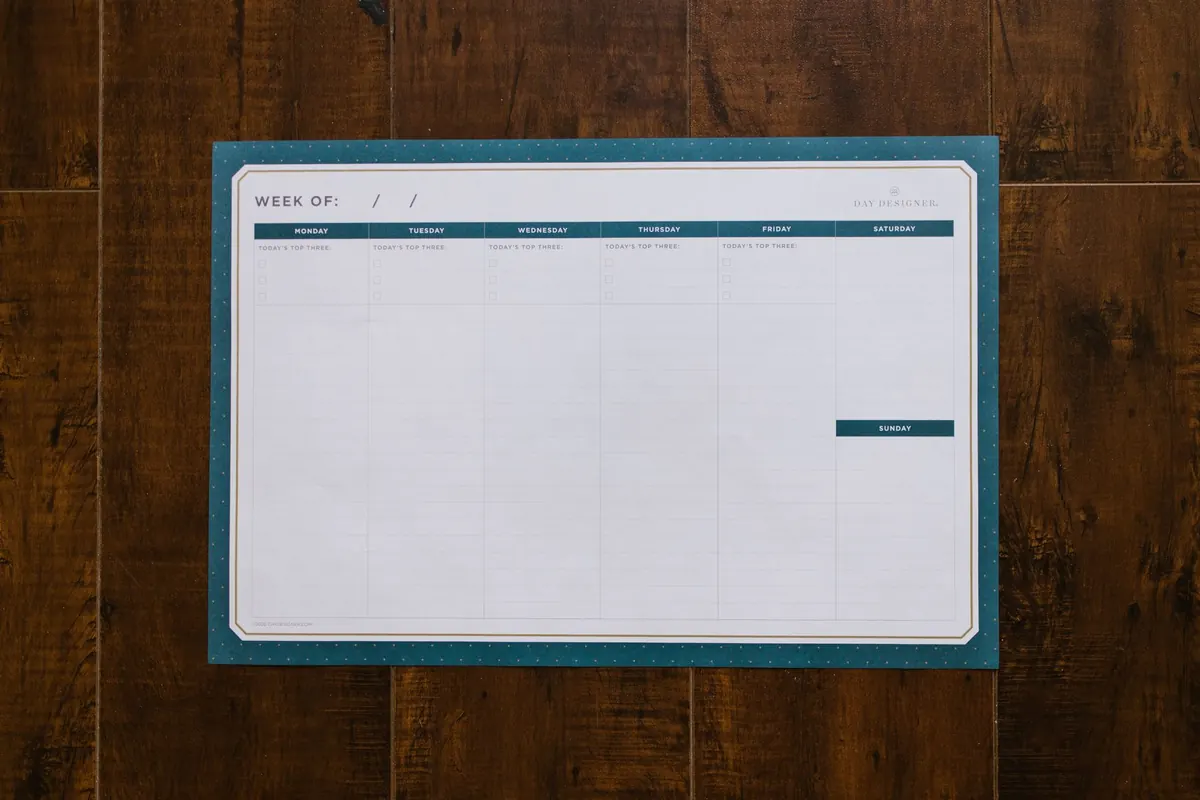
If your household uses a shared calendar, put the reminder where the person acting on it will see it, invite them to the event, and add the detail in the notes — what to bring, who to collect, where to go. If you prefer paper, a kitchen whiteboard or wall planner does the same job, as long as it sits somewhere everyone walks past.
Keep one short shared note for anything involving two people: who is doing the pick-up, which child needs the packed lunch, which parcel is arriving. One shared list beats four separate ones.
Start with three changes this week
You do not need a new app or a perfect system. Pick one capture point and use it for seven days. Set two recurring reminders — the evening bag check and the Sunday week review — and word them specifically. Then, next time a school newsletter lands, add the dates to the calendar before you put the letter down.
Do those three things and the forgotten-morning scramble gets rarer. Not because you have become more organised in some vague sense, but because the right reminder now turns up at the right moment, in a place you were always going to look.
Photo: RDNE Stock project / Pexels

You Might Also Like
A practical, step-by-step process for emptying messy notes, sorting them into actions, waiting items and reference, and turning the rest into prioritised tasks you can actually do.
A practical guide to shaping a notebook around the UK year, from bank holidays and tax deadlines to term dates, with a quarterly review to keep it working.