How to Use the Pomodoro Technique with Your Notes to Beat Procrastination
Procrastination is usually described as a time-management problem. It is closer to a starting problem. The textbook is open, the receipts are in a pile, the document is saved under a sensible name — and still nothing happens, because the next stretch of work feels bigger than the time you have set aside for it.
The Pomodoro Technique shrinks that stretch. Twenty-five minutes of work, five minutes away from the desk, then round again. Combined with notes that tell you where to pick up and what you have just covered, it removes most of the small decisions that stall a session before it begins. You do not need more willpower. You need a start small enough that willpower is not required.
Why note-taking makes short bursts work better
A timer on its own will not get you through a chapter. What makes twenty-five minutes manageable is knowing precisely what happens inside them. Notes carry that information: which topic is unfinished, which definitions keep slipping, which email thread needs a decision rather than a reply.
They also give the five-minute break a purpose. Most people reach for a phone, come back slightly foggy, and spend the first minutes of the next session working out what they were doing. A one-minute note review — cover the page, say the headings aloud, glance at the scratch area — keeps the thread intact without pretending the break is more work.
If you already take notes in lectures, meetings or while reading, you have the raw material. The next step is shaping it into something a single session can use.
Set up a page before the timer starts
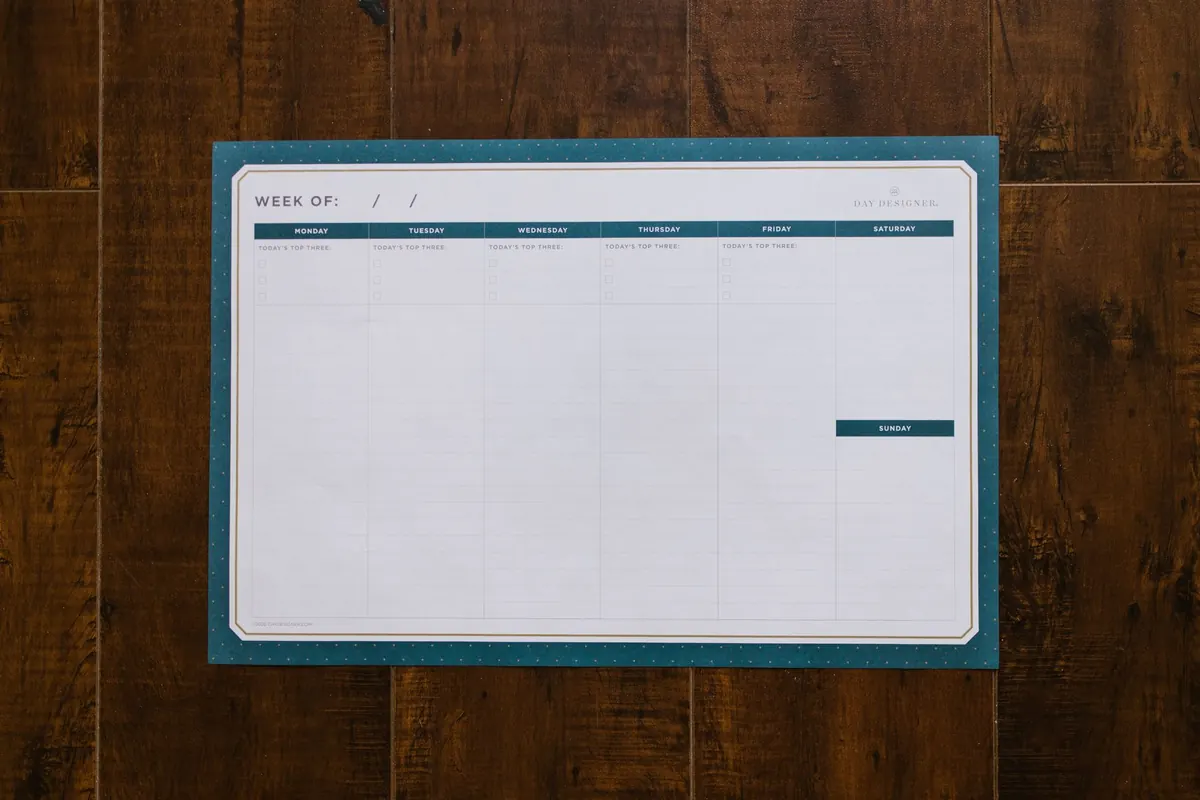
Three minutes of preparation saves ten minutes of drifting. Before you set the timer, create one page — paper or digital — with five parts.
- The task, written as an action. "Draft the summary section", not "dissertation".
- The first physical step. The literal thing your hands do: open the file, turn to page 84, unclip the receipts.
- A scratch area. Space for anything you work out mid-session — a half-finished sentence, a figure, a question to look up later.
- A later list. Where distractions go instead of being followed.
- A closing line. Filled in at the end: where you stopped and what comes next.
Keep the notes you are working from in one place too. Flicking between four apps or three notebooks is its own form of procrastination, and it usually happens about seven minutes in, just as the work is getting uncomfortable.
Write a starting line, not a to-do list
"Revise biology" is a label, not an instruction. A starting line tells you what to do for the first ninety seconds, so the session does not open with a decision.
Compare "read chapter 6" with "open at page 84, write out the three definitions on that page in my own words, then close the book and say them aloud". The second one is easier to begin because the thinking has already been done.
If your first step takes less than two minutes — writing a date, opening a folder, laying out index cards — do it before the timer starts. Then the session begins mid-motion, with your hands already busy.
Use the break for a one-minute review
Five minutes is not a reward to be spent on a screen. Stand up, get some water, look out of a window. Then use sixty seconds of it on one of these:
- Cover and recall. Cover the notes with your hand and say the main points aloud. Whatever you cannot say is what the next session should start with.
- Write the next step. One sentence describing exactly what you will do when you sit back down.
- Summarise the session. A single line on what the last twenty-five minutes produced — a page of notes, three solved problems, twelve receipts filed.
Pick one, not all three. The aim is to close the loop between sessions, not to squeeze extra work into the rest.
Two examples: revision and admin
Revision
A steady pattern looks like this. Pomodoro one is reading and card-making, one card per process or definition. The break is a cover-and-recall check on those cards. Pomodoro two is self-testing from the cards, with every miss written in the scratch area. Pomodoro three is rewriting the weak cards and explaining them aloud with the book shut. The cards remember what you covered; the timer gets you to the desk.
Admin
Admin benefits even more, because it is usually boring rather than difficult. Write the starting line as a physical action — "open the expenses folder and sort receipts into months" — and use the later list ruthlessly. Every "I should check that" goes onto the page rather than into a new tab. Finish with the closing line. Fifteen focused minutes a week beats an afternoon of avoidance, and a note saying where you stopped means you never have to re-read what you already did.
You do not need to feel motivated to start. You need a first step small enough that motivation is not part of the deal.
When a session falls apart
Some will. A colleague needs you, the phone buzzes, your attention slides sideways at minute nineteen. Two habits keep a broken session from becoming a lost day.
First, capture the distraction instead of chasing it. Write it on the later list and return to the task; you can decide at the end whether it mattered. If you are pulled away for more than a minute or two, restart the timer rather than pretending the block was clean.
Second, leave a closing line even if you stopped early. A session you ended at minute twelve still produced twelve minutes of work. Writing "stopped halfway through section 3, next: finish the diagram" means your next attempt begins from somewhere rather than nowhere.
Start with one Pomodoro today
Choose the task you have avoided for three days. Write the starting line at the top of a fresh page, set the timer for twenty-five minutes, and put the phone out of reach. Keep two columns beside you: notes on one side, later list on the other. Work until the timer rings, even if it feels scrappy.
Then stand up for five minutes, sit back down, and write one line: where you stopped, and what you will do first next time. That line is the whole trick. Tomorrow the hardest part — deciding where to begin — has already been done, and your first Pomodoro starts with reading your own note instead of staring at a blank page.
If twenty-five minutes feels long, use fifteen. If it feels short, use forty with a longer break. The numbers matter far less than the pairing: a small block of time, a clear first step, and a note that catches what you learned before it fades.
Photo: JESHOOTS-com / Pixabay


You Might Also Like
A practical, step-by-step process for emptying messy notes, sorting them into actions, waiting items and reference, and turning the rest into prioritised tasks you can actually do.
A practical guide to shaping a notebook around the UK year, from bank holidays and tax deadlines to term dates, with a quarterly review to keep it working.